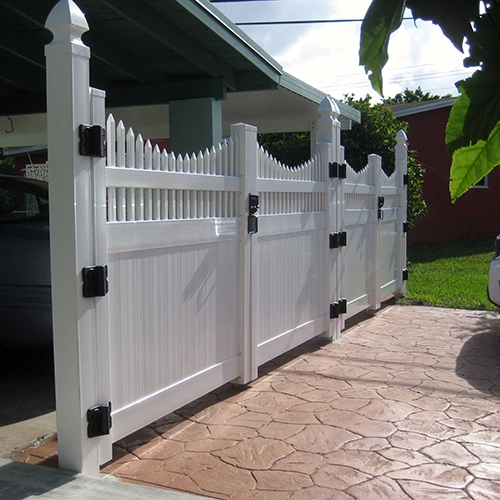
The Effect Of Weather On Vinyl Fencing

If you live in an area with rotating seasons, your vinyl fence should be prepared to handle it. Thanks to its PVC materials, vinyl fencing isn't susceptible to damage like rotting or rusting, unlike chain link and wooden fences. But even if this is true, weather can still affect vinyl fences; as stated in "How Much Should A Vinyl Fence Sway," strong winds could damage your fence if it isn't installed correctly. But this is only part of the problem you may have with your vinyl fence. During colder temperatures, vinyl fences can either expand or contract.
Why Do Vinyl Fences Expand Or Contract?
Vinyl fences can expand or contract due to extreme heat or cold. However, this should not be a cause for alarm. If your vinyl fence is made from quality materials, it should accommodate these changes without breaking or cracking. Unlike wood, vinyl fences do not change drastically with the weather conditions.
At What Temperature Do Vinyl Fences Burn?
Vinyl fences can burn at 900 degrees F, so you will not need to worry about your fence burning in hotter climates. Additionally, vinyl fences don't retain heat the same way aluminum fences may. If you are installing a fence around a playground or pool, it mustn't hurt the children nearby. Vinyl fences will not hold heat the same way as aluminum fences and are resistant to UV damage from the sun.
Do Vinyl Fences Retain Heat?
Another concern with hot weather is whether a vinyl fence will retain heat at night if temperatures reach 120 degrees F. In most cases, vinyl fences will not retain heat but remain cool enough to touch. This is a plus when installing fences around pets and small children who do not know not to touch a fence during intense heat.
Weather Effects On Vinyl Fences
Over time, high temperatures may damage vinyl fences, but they should still last a long time and handle wind, snow, and other weather events better than other fence types. To learn more about how vinyl fences perform in high-wind areas, watch our videos.